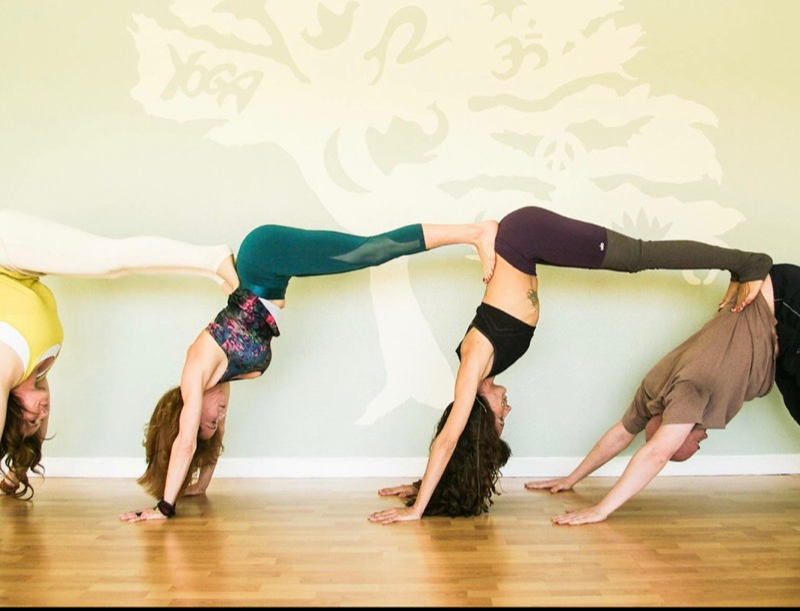
There are so many wonderful styles of yoga waiting to be discovered! Each approach brings its own special benefits and qualities, so we encourage you to try different classes until you find what truly resonates with you. The right instructor makes all the difference, too—look for someone who creates a welcoming space where you feel comfortable and supported. Yoga is a practice that welcomes everyone, so take your time finding the perfect match for your journey!
Remember that the essence of yoga transcends any particular style—it’s about creating harmony between body, mind, and spirit. Many practitioners find benefit in exploring multiple styles, perhaps using more vigorous practices on some days and restorative approaches on others. Listen to your body’s needs and allow your yoga practice to evolve with you throughout different phases of your life.
Hatha Yoga
A broad term encompassing physical yoga; slow-paced, foundational postures and breathing. Hatha forms the basis for most modern yoga practices and focuses on balancing opposing forces (ha=sun, tha=moon). Great for beginners, it emphasizes proper alignment, mindful breathing, and building a strong foundation for more advanced practices.
Raja Yoga
The “royal path,” focused on meditation and the Eight Limbs of Yoga from the Yoga Sutras. Often called the “king of yogas,” Raja yoga follows Patanjali’s yoga sutras and aims to control the mind and emotions through meditation, concentration, and ethical disciplines (yamas and niyamas). This comprehensive approach cultivates mental clarity and spiritual growth.
Kundalini Yoga
Focuses on awakening energy through dynamic movement, breath (pranayama), mantra, and meditation. This powerful practice works to awaken the dormant spiritual energy (kundalini) at the base of the spine, guiding it upward through the chakras. Classes typically include kriyas (specific sequences), meditation, chanting, and breathwork designed to transform consciousness.
Bhakti Yoga
The yoga of devotion, often through chanting, prayer, and surrender to a higher power. This heart-centered practice emphasizes love, compassion, and service. Practitioners develop deep emotional connections through kirtan (devotional singing), japa (mantra repetition), and cultivating loving awareness. Bhakti yoga teaches that devotion is a direct path to spiritual awakening.
Jnana Yoga
The path of knowledge and self-inquiry. This intellectually rigorous approach uses philosophical study, self-examination, and contemplation to distinguish between the permanent (soul) and impermanent (body/mind). Practitioners engage in deep questioning, meditation on sacred texts, and discrimination between the real and unreal to achieve liberation.